Main Product
Contact
 Address:Zhengzhou city in China.
 Phone:0086-371-86151827
 Email:


Causes and Removal Methods for Dross and Slag on Flame Cut Steel Plates
Every fabricator knows the frustration. Parts come off the cutting table looking decent, but flip them over and there it is—a stubborn ridge of hardened material clinging to the bottom edge. Dross and slag are the unwanted souvenirs of thermal cutting, and while they are common, they don't have to be inevitable.
The formation is fairly simple. During thermal cutting, molten metal gets pushed downward by the gas jet. Under ideal conditions, it blows clear and leaves a clean edge. When conditions drift off, that molten material re-solidifies along the bottom surface before it can escape. The difference between a light dusting that chips off with a scraper and a heavy, fused-on mess that requires grinding comes down to a few controllable factors.
Cutting speed tends to be the first culprit worth investigating. Too slow and the heat builds excessively, creating a larger pool of molten metal that becomes sluggish and sticky. Too fast and the cutting jet lags, failing to eject material completely before it freezes. The visual clues are straightforward: heavy, globular dross typically signals a speed problem, and a quick test cut with incremental adjustments usually points to the sweet spot.
Gas parameters matter just as much as speed. On mild steel cut with oxygen, purity levels directly affect the chemical reaction at the cut front. Contaminated or low-pressure oxygen starves the process, producing tenacious, difficult-to-remove dross. For stainless and aluminum cut with nitrogen, pressure that is too low fails to blast the molten material clear, leaving a fine but persistent burr along the bottom edge.
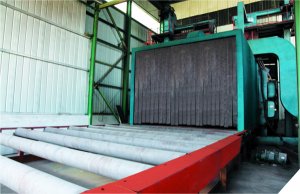
When dross does appear—and realistically, some jobs will produce it—removal methods range from the quick to the thorough. A pneumatic chipping hammer handles heavy, brittle slag on thick plate efficiently. Angle grinders with flap discs tackle moderate buildup without gouging the parent metal. For production volumes, vibratory deburring and shot blasting deliver consistent results across batches. High-quality laser cutting on properly tuned machines often produces edges that need nothing more than a quick scrape, which makes dialing in the parameters well worth the time investment.
The formation is fairly simple. During thermal cutting, molten metal gets pushed downward by the gas jet. Under ideal conditions, it blows clear and leaves a clean edge. When conditions drift off, that molten material re-solidifies along the bottom surface before it can escape. The difference between a light dusting that chips off with a scraper and a heavy, fused-on mess that requires grinding comes down to a few controllable factors.
Cutting speed tends to be the first culprit worth investigating. Too slow and the heat builds excessively, creating a larger pool of molten metal that becomes sluggish and sticky. Too fast and the cutting jet lags, failing to eject material completely before it freezes. The visual clues are straightforward: heavy, globular dross typically signals a speed problem, and a quick test cut with incremental adjustments usually points to the sweet spot.
Gas parameters matter just as much as speed. On mild steel cut with oxygen, purity levels directly affect the chemical reaction at the cut front. Contaminated or low-pressure oxygen starves the process, producing tenacious, difficult-to-remove dross. For stainless and aluminum cut with nitrogen, pressure that is too low fails to blast the molten material clear, leaving a fine but persistent burr along the bottom edge.
When dross does appear—and realistically, some jobs will produce it—removal methods range from the quick to the thorough. A pneumatic chipping hammer handles heavy, brittle slag on thick plate efficiently. Angle grinders with flap discs tackle moderate buildup without gouging the parent metal. For production volumes, vibratory deburring and shot blasting deliver consistent results across batches. High-quality laser cutting on properly tuned machines often produces edges that need nothing more than a quick scrape, which makes dialing in the parameters well worth the time investment.
 Address: Zhengzhou city in China.
 Phone: 0086-371-86151827
 Email: